The seller
The seller supplies the identification, description, images, condition information, available history and sourcing records for the object.
Buying with context
Natural-history objects carry questions. A good listing should make the known facts clear, show the actual piece and give you direct access to the seller when something is missing.
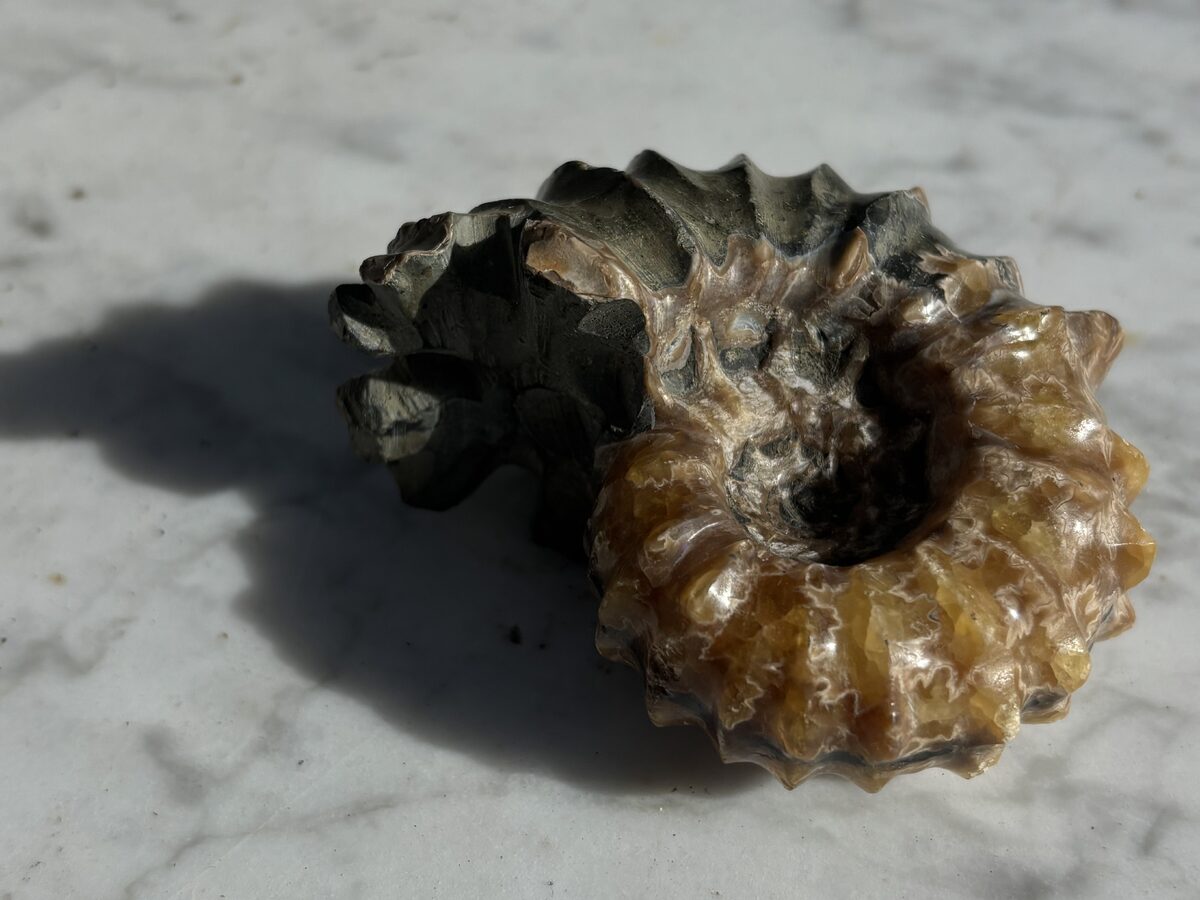
The name The Provenance sets a standard for the marketplace. It does not replace evidence. Identification, locality, age, condition, restoration and ownership history should be stated as precisely as the available records allow.
Some objects carry extensive documentation. Others have limits. We would rather make those limits visible than turn a seller claim into a guarantee it cannot support.
Before checkout
Who supplies what
The seller supplies the identification, description, images, condition information, available history and sourcing records for the object.
The marketplace keeps the listing, seller identity, buyer conversation and purchase path together, and sets expectations for clear representation.
The buyer reviews the evidence, asks for anything important that is missing and decides whether outside advice is appropriate for the value or complexity of the piece.
When the listing is not enough
For a significant purchase, useful questions may include:
No online marketplace can replace independent due diligence for every high-value object. Request records and specialist advice when the decision calls for it.
Collect with your eyes open
The best purchase is one you still feel good about after the package is opened.